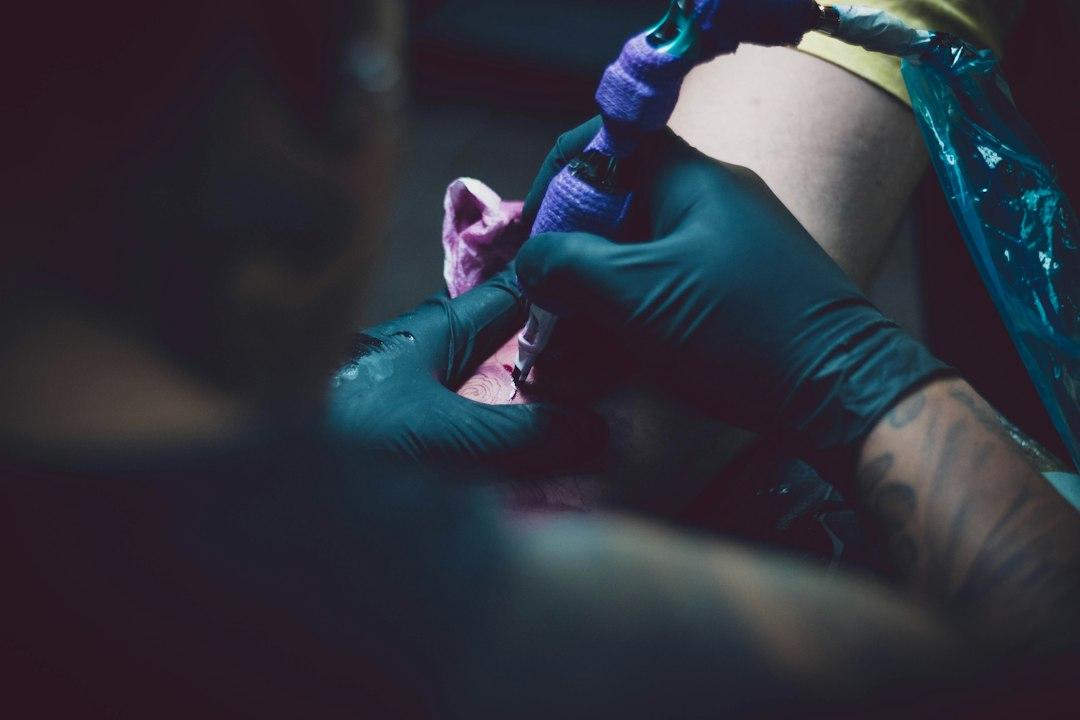
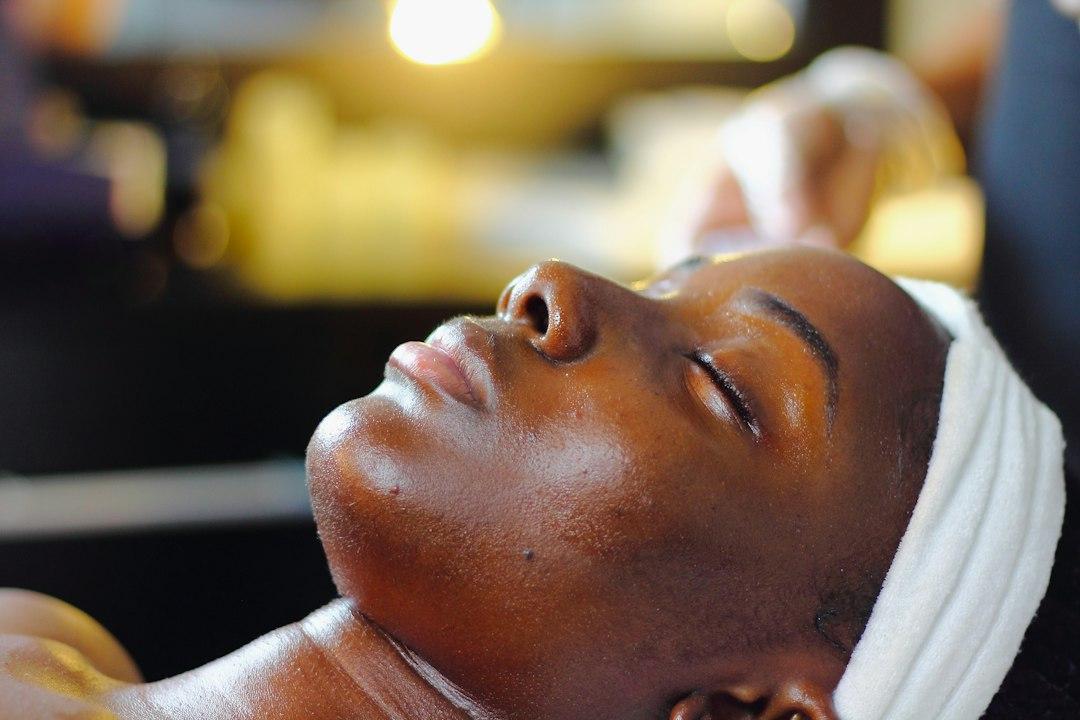
A beauty education hub is a network that links students, teachers, salons and beauty brands, not just a single school teaching one course. Learning Online Group runs a hub like this across four countries: Australia, New Zealand, Canada and the United Kingdom. Every school in the network shares the same practical training model, while meeting the rules that apply where you live. Below is what that actually looks like, and the questions a hub like this should answer before you sign up.
What makes a hub different to a single school
A single beauty school usually teaches one course, hands you a certificate, and that is it. A hub does more. It connects three groups: students learning the craft, educators teaching it, and the wider beauty industry that will employ graduates later.
A good hub is usually built around four things: learning the theory, practising the craft hands-on, mentorship from working therapists, and real career opportunities, such as salon placements and job leads, once your course finishes. That is what separates it from a certificate you file away and never use.
Because this hub spans four countries, the community is bigger too. A student training in Auckland can swap notes with one training in Birmingham, sharing job leads and placement tips across the whole network, not just within one classroom.
Qualifications you can actually trust
If beauty therapy is going to be your career, the first fair question is: will this qualification actually count? That matters even more when a hub works across four different regulatory systems at once.
In Australia, beauty courses sit under the Australian Qualifications Framework, and training providers are checked by the national regulator, the Australian Skills Quality Authority.
In New Zealand, the New Zealand Qualifications Authority registers private training providers and sets the rules for qualifications under its own national framework, the NZQF.
In England, qualifications are checked by Ofqual, which makes sure courses meet consistent quality standards. Scotland, Wales and Northern Ireland each have their own regulator (the SQA, Qualifications Wales and CCEA), so if you are studying in the UK, check which one applies to your course and location.
In Canada, there is no single national regulator for this. Regulation of training and licensed trades is handled by each province and territory separately, according to the Government of Canada.
Running a hub across these four countries means keeping far more than four sets of rules straight, since Canada's provinces and territories and the UK's four nations each add their own layer on top. A course in one country is not a copy and paste of a course in another. It is built to meet local requirements first, then matched to the same practical standard as the rest of the network.
How hands-on training works when you study online
Beauty therapy is a hands-on job. You cannot learn waxing, facials or makeup application purely by watching videos. So how does a hub teach practical skills when a lot of the course is delivered online?
Here is the usual pattern:
- You receive a kit of real tools and products to practise with at home, along with instructions on safety steps such as patch testing, applying a small amount of product to the skin and waiting 24 to 48 hours to check for a reaction, before any waxing or chemical treatment.
- You film yourself doing each technique and send the video to a tutor for feedback.
- You complete supervised practice, often in a real salon or clinic setting, sometimes working on paying clients under supervision rather than only on friends or family, before you are "signed off" as competent, meaning a qualified assessor has watched you perform the skill safely and correctly.
This mix means you are not just reading about a facial, you are doing one, filming it, and doing it again until it is right. It is slower than watching a lecture, but it is how real skill gets built. You can see what a practical course covers step by step on the Australian Beauty School page.
From first lesson to paid work
Finishing a course is one milestone. Getting paid work is the real goal, and a good hub plans for that from day one.
Most courses build towards a portfolio: a folder of real work samples, photos, treatment notes and client feedback, that you can show an employer or a future client. Some students use that portfolio to get hired into a salon. Others use it to start a mobile beauty business of their own. If you are planning to go mobile, check what your state, province or council requires before you start, this usually includes public liability insurance and, for certain treatments, separate registration with your local health authority. Rules vary a lot by location, so confirm with your local council or a qualified adviser rather than assuming your course covers it.
Mentorship matters here too. Having a qualified therapist to ask "is this normal?" or "how do I handle a tricky client?" in your first few months of real work can be the difference between quitting and sticking with it.
Industry partnerships support this stage as well. Salons offer placement spots. Beauty brands run product training days. You can see who we work with across the network on our brand partners page.
On outcomes: we do not believe in big promises without numbers behind them. If completion rates or graduate outcomes matter to you, and they should, ask your school team directly for the latest figures before you enrol.
Staying part of the community after you graduate
Learning does not stop at graduation, especially in beauty. Product ranges change. Techniques improve. Client expectations shift every year.
A good hub keeps a running calendar of extra workshops, guest seminars and brand launches, so graduates can keep learning without re-enrolling in a full course. Staying active with a recognised industry body in your country can also support your professional standing as your career grows, many offer things like insurance options, CPD (continuing professional development) points, or a member directory that clients can search.
This is the part people miss when comparing beauty courses. The certificate is just the start. What happens in the following five years, the workshops you attend, the people you stay in touch with, matters just as much as the course itself.
If you have questions about timelines, costs or payment plans before you commit, our FAQs page covers the common ones, and our team can answer anything specific.
Choosing a beauty education hub is really about choosing a long-term career partner, not just a course. Look for clear accreditation, real practical training, and a community you will still be part of in five years. If that sounds like what you want, get in touch through our contact page and we will help you find the right school for where you live.